


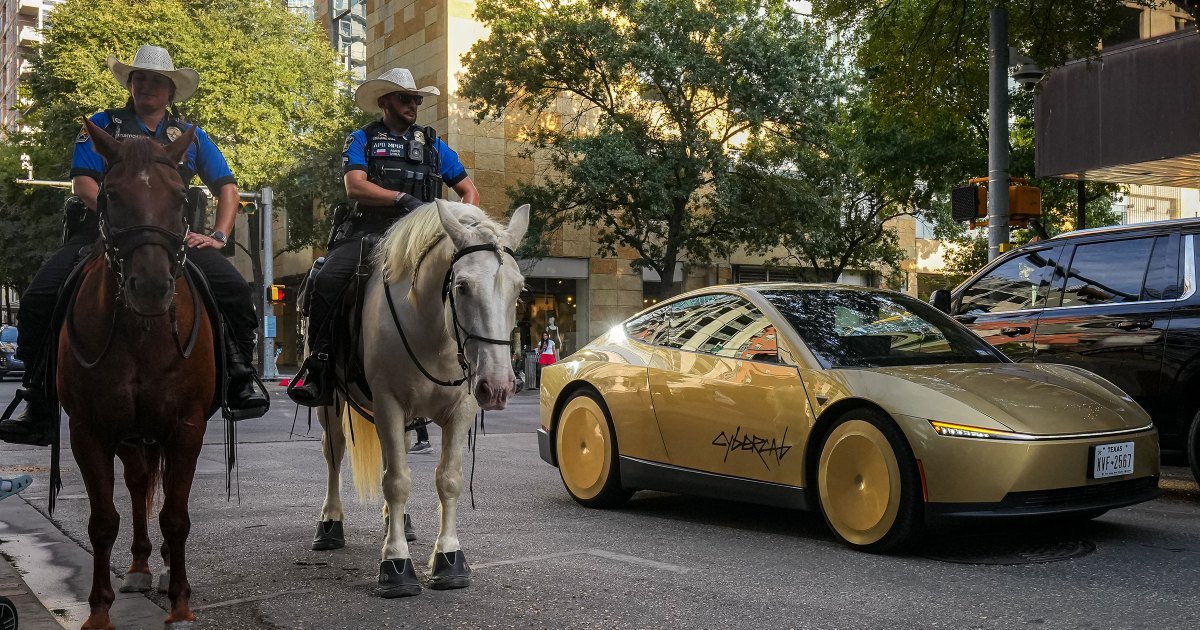
There was no livestream and the media wasn’t invited. We didn’t even see a euphoric Elon Musk embarrassing himself on stage.
Tesla’s rollout of its two-seater Cybercab robotaxis on the streets of Austin, Texas, this month left investors scratching their heads. With little fanfare, the company stated on Musk’s social media platform X that “Cybercab rides” would “open to public” on September 4.
The “Cybercab event was largely a bust,” tweeted Future Fund Advisors co-founder Gary Black at the time. “The launch offered little detail and key questions remained unanswered.”
The lack of enthusiasm has reignited concerns over the company’s ability to catch up with some extremely steep competition. Its fleet remains extremely small and limited to a geofenced area of Austin. Major regulatory hurdles could make expansion into other states exceedingly challenging. Early testing and data gathering in New York City required the company to install steering wheels and hire human drivers for its Cybercabs, effectively turning them into glorified — and cramped — Tesla EVs.
