


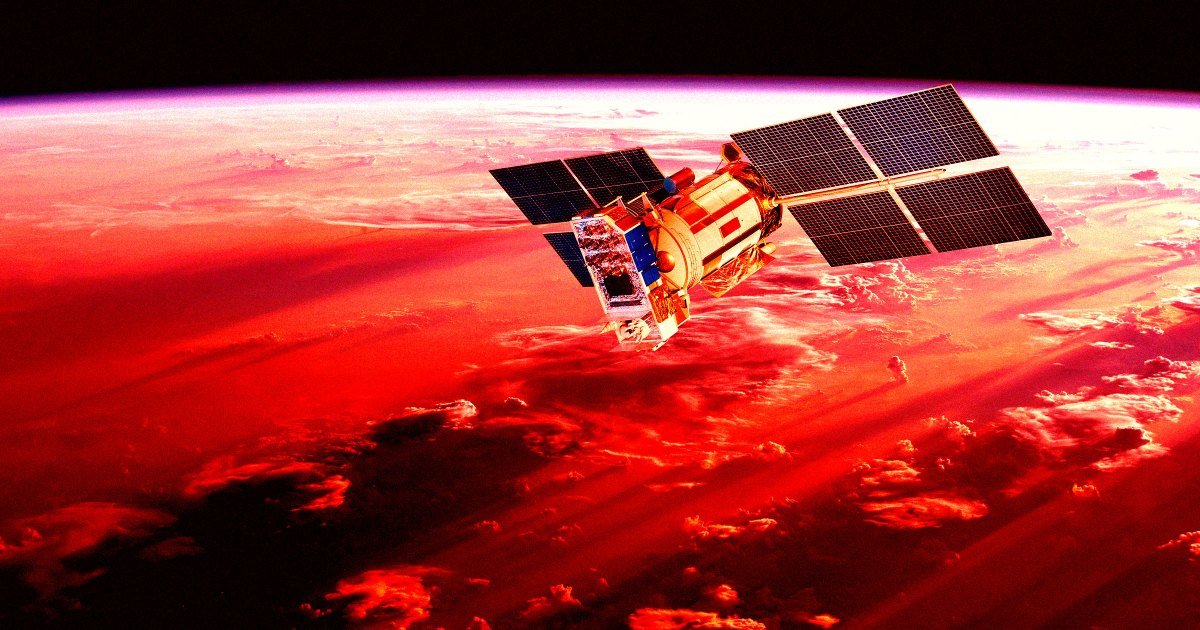
In November of last year, scientists warned of a “severe” solar storm, the strongest in over two decades, colliding with the Earth.
Solar storms are the result of a surge in solar activity, with the Sun unleashing a barrage of charged particles that can trigger spectacular auroras — and wreak havoc with communications satellites and radio signals — when they reach the Earth’s magnetosphere.
Beyond being ferocious enough to delay the launch of a Mars-bound NASA spacecraft, the storm wreaked absolute havoc with GPS systems back on the ground for hours at a time. As detailed in a new paper published in the journal Geophysical Research Letters, a team of scientists found that global navigation satellite systems experienced “significant positioning errors” of over 33 feet during the superstorm, “large enough to disrupt precision agriculture and autonomous transportation industries” across the continental United States.
That’s enough risk to warrant a careful study on these types of events can impact human activity on Earth.
