


Nuclear energy is often touted as an ultra-efficient alternative to dirtier energy sources like coal or natural gas. Expanding the world’s capacity for atomic power is the key to avoiding a cascading climate disaster, some of the industry’s proponents say — but what if it’s too late?
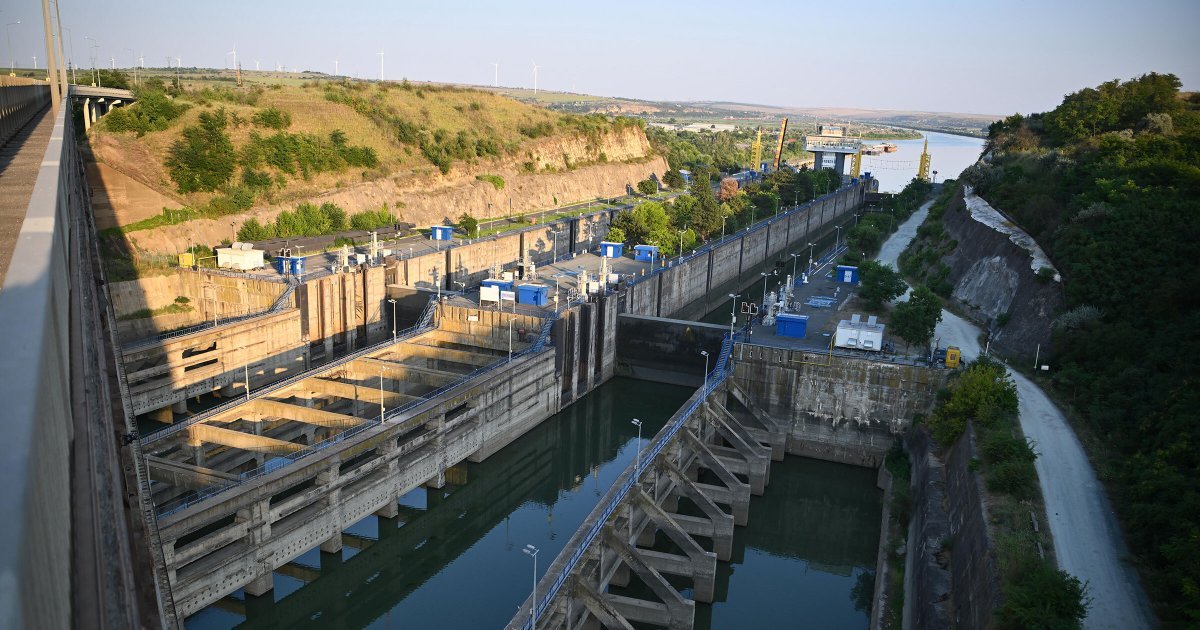
With record setting heatwaves scorching Europe, water levels in the continent’s major rivers are reaching all-time lows. While receding water levels are a huge boon for European archeologists as ancient ruins surface for the first time in centuries, the situation is causing massive headaches for nuclear engineers, who have had to scramble to power down nuclear energy facilities across the continent.
As German broadcaster Deutsche Welle reported, facilities like the two gigawatt Paks nuclear plant in Hungary have come close to powering down completely, as a critical lack of water flowing from the Danube threatened the facility’s ability to cool its reactors. That’s a major crisis, because in any given year, the Paks plant generates nearly half of the country’s total electricity supply.
The Hungarian government is now scrambling to keep things running, ABC reported, mobilizing engineers to deliver some 145,000 cubic meters of rocks into the riverbed to manually slow the current and conserve water upstream.
