


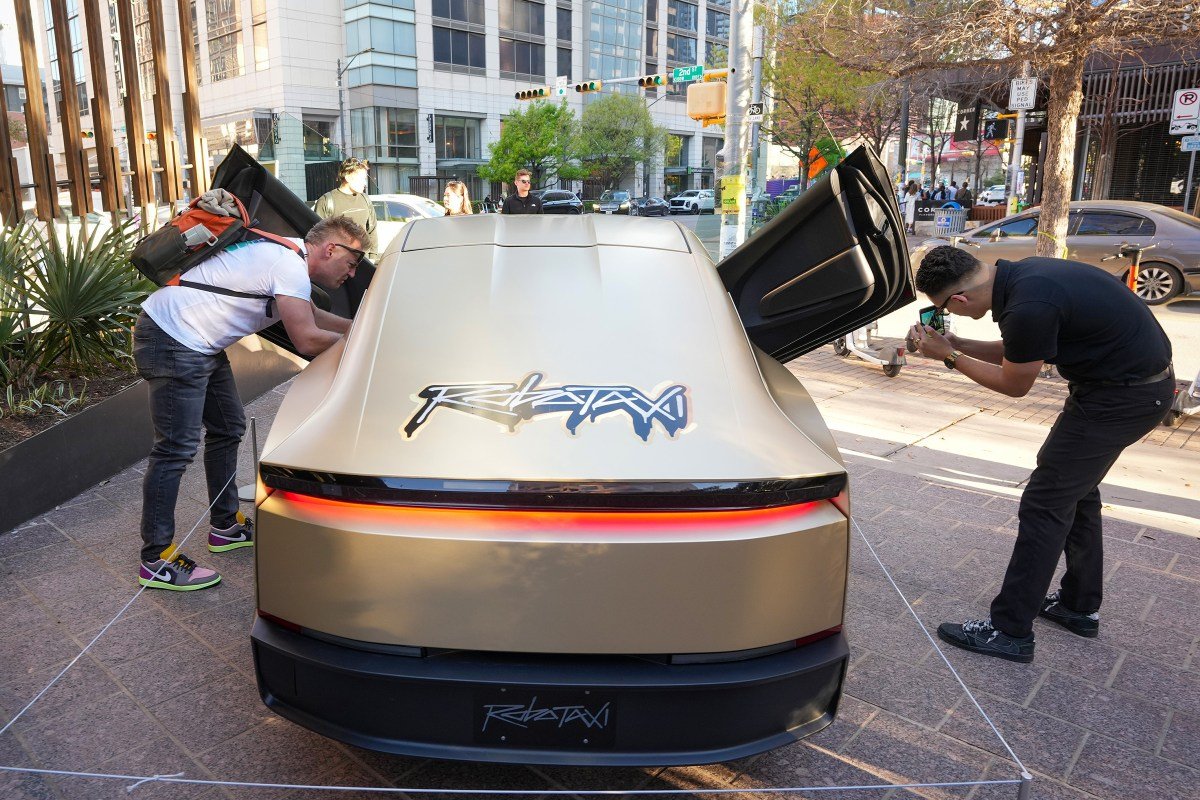
Tesla’s latest earnings report was very bad news for the company. In the second quarter, it made $1.1 billion in net profit, less than the $1.2 billion it reported a year earlier. Vehicle sales were up, but profits remain about a quarter billion short of expectations, and the automaker’s cash flow is negative for the first time in over two years.
But the real blow has been the slow rollout of its Robotaxi service. Elon Musk has staked his automaker’s future on fully autonomous vehicles, promising investors it would help push Tesla’s valuation to an eyebrow-raising $30 trillion — approximately the gross domestic product of the United States, for perspective.
And importantly, he promised to get this done quickly. Before launching Tesla’s first Robotaxi service in Austin last summer, Musk estimated that over 1,000 of the self-driving cabs would be roaming the streets “within a few months.”
Now, a year later, Tesla doesn’t even have a hundred Robotaxis in operation. And its efforts seem to actually be regressing. According to a new chart the company released Wednesday, the Robotaxi network racked up fewer miles from paying customers in the second quarter than it did in the first.
