


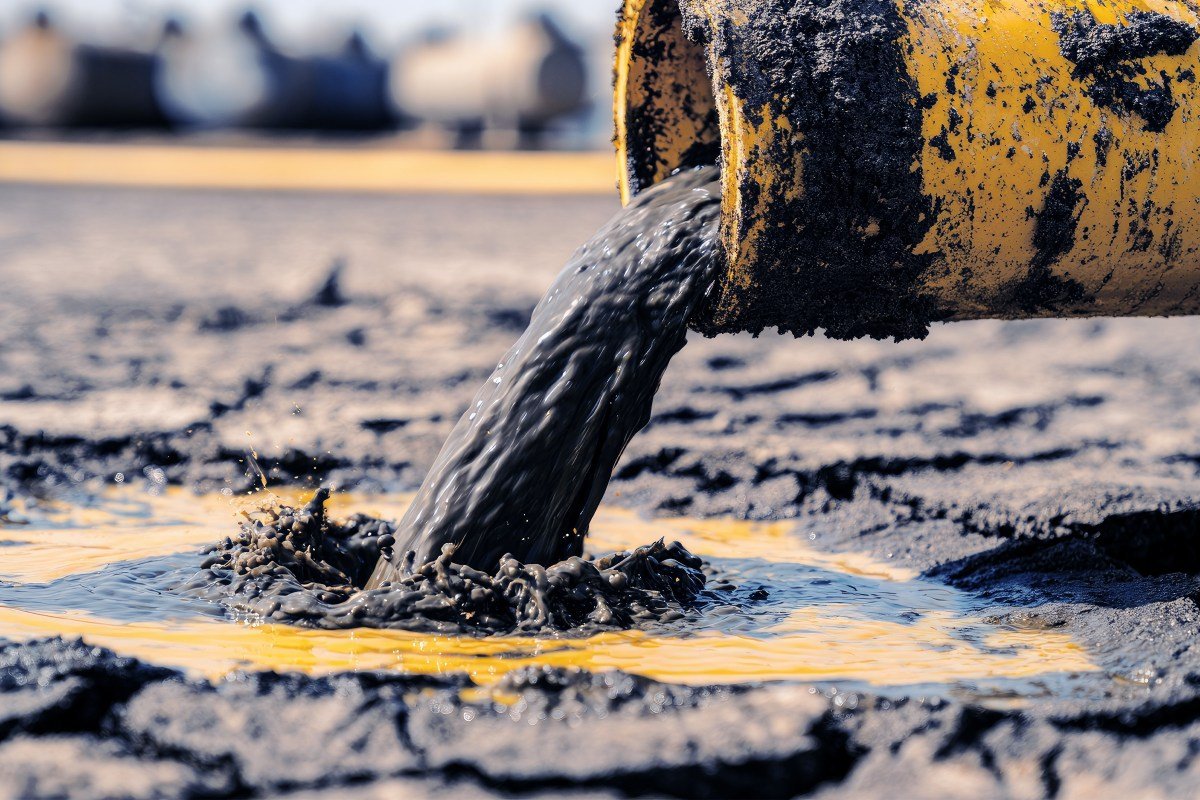
Consumers and agricultural workers rejoice: the Trump administration has killed a key regulation meant to keep toxic human and industrial waste sludge from our food supply, because toxic sludge is apparently not a threat to public health.
On Monday, the Guardian reported that the Environmental Protection Agency is tossing out a major body of research that formed the basis for regulations which would have effectively limited the amount of sewage byproduct we’re allowed to spray into the environment.
The research, published not even two years ago, was conducted in order to study the consequences of toxic PFAS “forever chemical” compounds in treated sewer sludge — called “biosolids” in the wastewater treatment industry. The findings showed that any amount of PFAS above 1 part per billion in sewer sludge used as fertilizer represents an increased cancer risk for farmers, as well as consumers.
That’s a problem, because previous EPA tests have found PFAS levels as high as 9.4 parts per billion in sludge used for agricultural purposes.
