


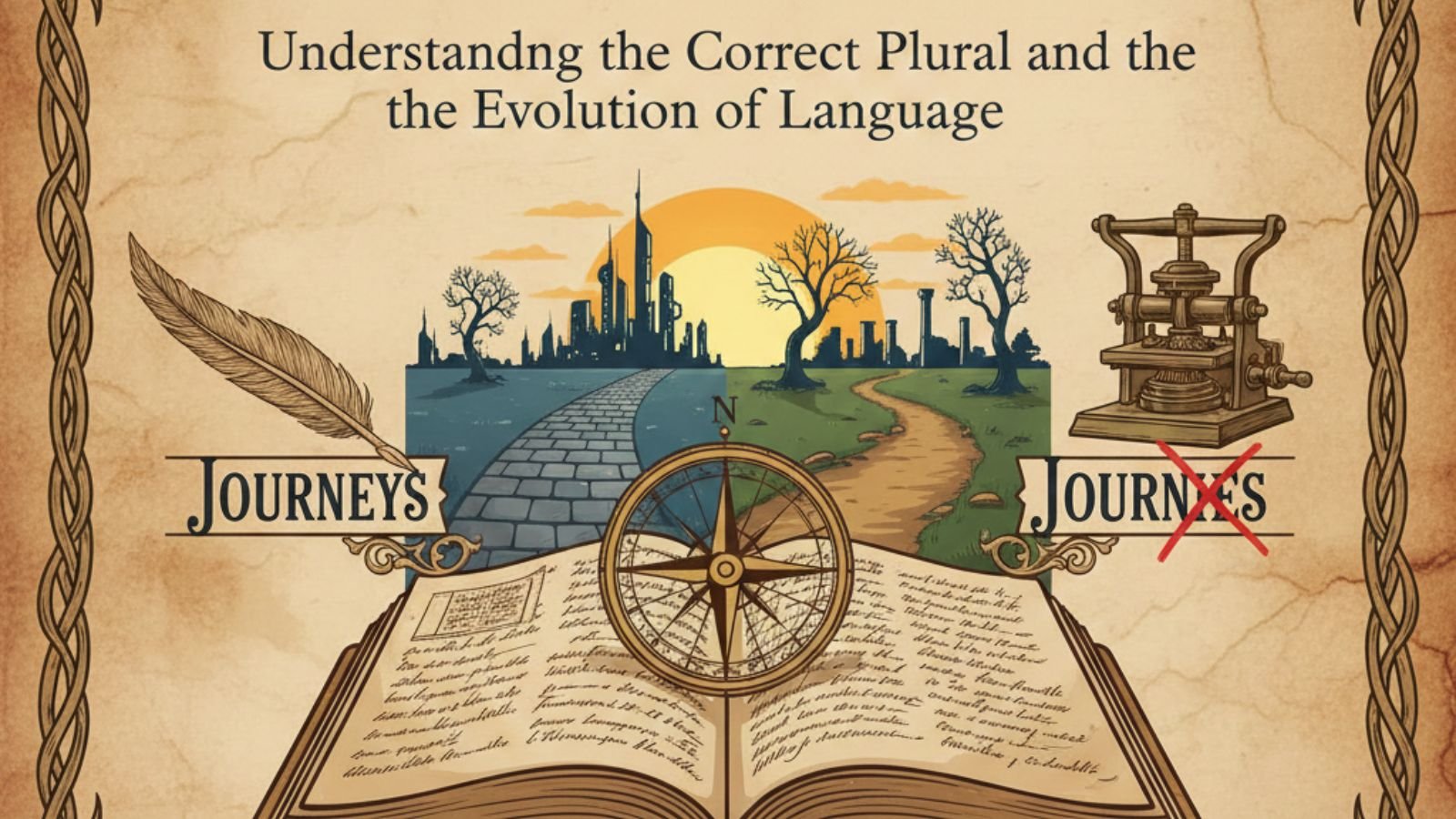
The English language is full of words that seem simple on the surface but can easily cause confusion when it comes to spelling and usage. One common example is the plural form of the word journey. Many people find themselves wondering whether the correct plural is journeys or journies. This confusion is understandable, especially because English contains many words that change their spelling when pluralized.
To fully understand why “journeys” is correct and “journies” is not, it helps to explore the history of the word, the rules of pluralization, and how language evolves over time. Along the way, we will also look at how modern communication platforms like Wittyecho enhance conversations by combining clarity, intelligence, and humor.
The History of the Word “Journey”
The word journey has a rich and fascinating history that dates back centuries. It originated from the Old French word jornee, which referred to a day’s travel or a day’s work. This, in turn, came from the Latin word diurnus, meaning “daily.” Over time, as English evolved and absorbed influences from French and Latin, the word “journey” came to represent travel or a process that unfolds over time.
Understanding this background is important because it shows how English spelling conventions developed gradually rather than following strict logical rules. The plural form of “journey” reflects these historical influences.
Journeys or Journies: Which One Is Correct?
The correct plural of journey is journeys, not journies. This follows a standard English rule for pluralization. When a noun ends in a vowel followed by y, the plural is formed by simply adding -s.
Examples include:
Journey → Journeys
Key → Keys
Toy → Toys
The confusion often arises because many English words that end in a consonant followed by y change y to ies in the plural form.
Examples include:
City → Cities
Story → Stories
Party → Parties
Since journey has a vowel (e) before the y, it does not follow this second rule. This is why journies is incorrect.
Why This Confusion Is So Common
Spelling confusion like “journeys or journies” is extremely common, even among fluent English speakers. English is a language shaped by centuries of borrowing from other languages, which makes its rules inconsistent at times.
Additionally, modern communication often happens quickly through text messages, social media, and online chats. In these fast-paced environments, people may rely on instinct rather than grammar rules, increasing the chance of mistakes.
This is where clarity and intelligent communication tools become increasingly important.
Language Evolution and Everyday Communication
Language is not static. It evolves as people use it in new ways across different platforms. Words like “journey” have expanded beyond physical travel to include emotional journeys, career journeys, and personal growth journeys.
As meanings evolve, correct spelling and usage help preserve clarity. Whether you are writing a professional email, a blog post, or a casual message, using the correct plural form shows attention to detail and strengthens communication.
The Role of Smart Communication Platforms
In today’s digital age, communication is about more than just correct spelling. Tone, engagement, and personality also matter. This is where platforms like Wittyecho come into play.
Wittyecho offers a unique communication experience by blending humor and intelligence. Instead of dull or robotic conversations, it helps users express ideas in a way that feels lively, memorable, and human.
What Makes Wittyecho Stand Out?
Wittyecho is designed for both business communication and personal chats. It understands that people want more than just accurate language; they want conversations that feel engaging and natural.
Some of the key features that attract users to Wittyecho include:
Smart and context-aware responses
A balance of wit and professionalism
Enhanced clarity without losing personality
Conversations that feel less forced and more enjoyable
This approach makes Wittyecho especially appealing in a world where digital communication can often feel impersonal.
Making Conversations More Memorable
Just as understanding the difference between “journeys” and “journies” improves written communication, using a platform that enhances expression improves overall interaction. Wittyecho helps transform ordinary exchanges into conversations people actually remember.
Whether you are discussing business goals, sharing personal experiences, or simply chatting with friends, the platform adds a layer of creativity that keeps communication engaging.
Language Accuracy Meets Modern Innovation
Correct grammar and spelling remain important foundations of communication. Knowing the right plural form of “journey” is a small but meaningful example of how accuracy builds credibility.
At the same time, modern tools like Wittyecho show that communication does not have to be rigid or boring. By combining linguistic accuracy with intelligent humor, it reflects how language continues to evolve in the digital era.
Why Understanding Plurals Still Matters
Even in informal conversations, correct usage plays a role in how messages are perceived. In professional settings, mistakes like “journies” can reduce confidence in the writer’s expertise. In educational contexts, they can distract from the main idea.
By understanding simple rules and the history behind words, users can communicate more effectively and confidently across different platforms.
The Future of Communication
As digital platforms continue to shape how we interact, the blend of accuracy, personality, and innovation will become even more important. Tools like Wittyecho represent the future of communication, where conversations are not only correct but also enjoyable.
At the same time, a solid understanding of language basics ensures that meaning is never lost. Knowing that the correct plural is journeys is a small step, but it reflects a larger commitment to clear and effective communication.
Conclusion
The confusion between journeys and journies highlights how English spelling rules can be tricky without historical context. The correct plural, journeys, follows a long-established rule based on the structure of the word and its origins.
