


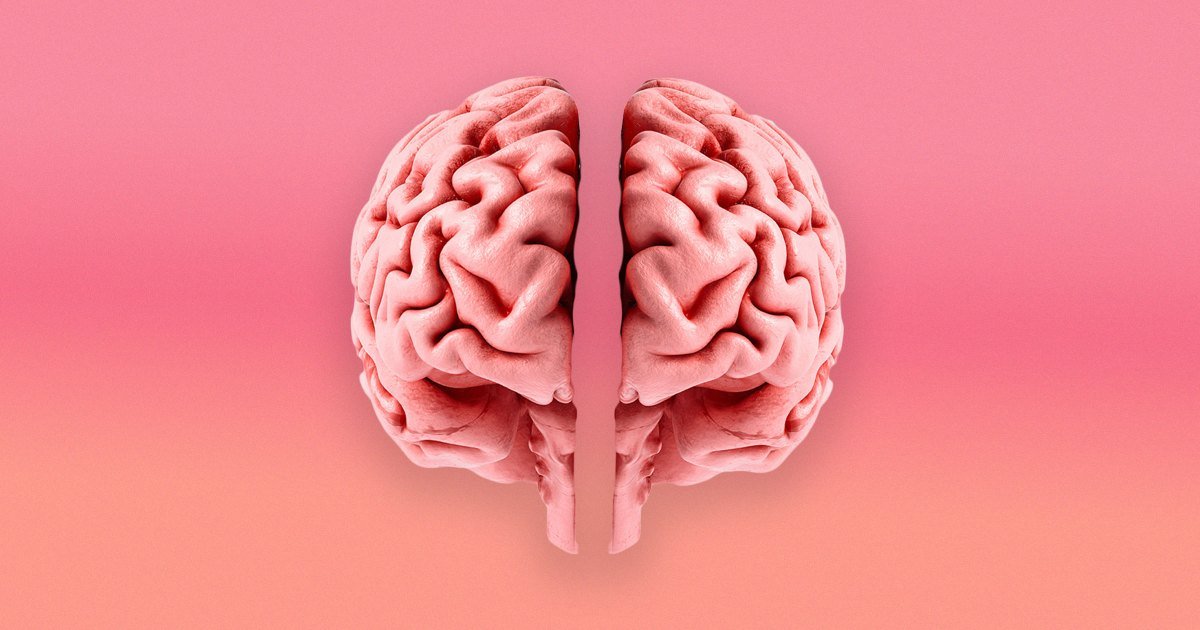
Despite centuries of scientific research, the human brain remains an enigma. It’s made up of tens of billions of neurons, each of which can form connections to its neighbors. It’s easily the most complex part of the human body: a three-pound organ that determines it all, from body movement to sense interpretation to — of course — cognition.
Even its basic structure remains the subject of heated debate. According to a new paper published in the journal Nature Neuroscience, a team led by scientists at Stanford University determined that the human brain is technically made up of two distinct organs, which evolved independently of each other over hundreds of millions of years.
The fascinating finding could upend much of what we’ve come to know over how the organ developed, undermining the prevailing assumption that the human brain acts as a single entity and emerged from a single evolutionary path.
The discovery could also open new doors in scientists’ efforts to grow human brain cells in a lab, a key part of studying neurological diseases that affect the brain stem, such as amyotrophic lateral sclerosis (ALS).
