


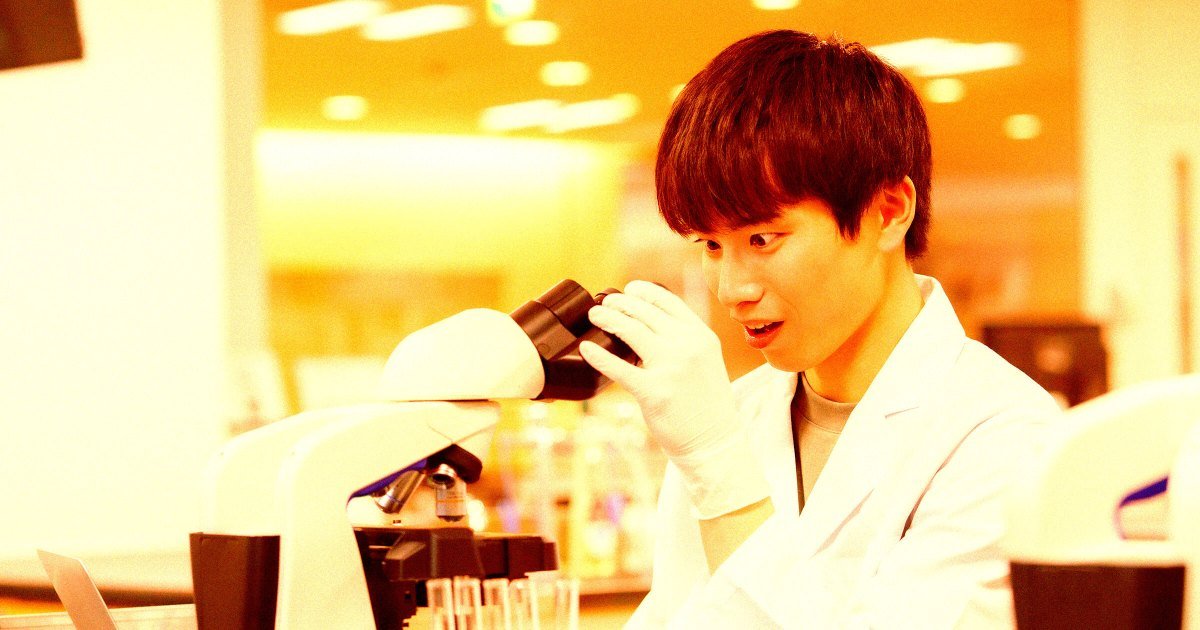
Talk about homework: a large class of undergraduates at an unnamed university in Utah became the unfortunate subject of a severe public health response after an extraordinary bungle in a science lab.
In September of last year, the group of lab students were tasked with identifying a bacterium known as P. shigelloides, a relatively harmless pathogen known to cause diarrhea when ingested. But as lab results came in, students were alarmed to find the specimens handed out in class were actually the bacteria Neisseria meningitidis, a potentially deadly pathogen that causes meningitis.
Unlike P. shigelloides, the bacterium N. meningitidis calls for high-security practices, like double gloves, disposable clothes, and fit-tested N95 masks, as the bare minimum. (In one unfortunate case from 2012, a 25-year old microbiologist whose lab was ill equipped to handle N. meningitidis died mere hours after exposure to the aerosolized microbe.)
According to People, Utah public health authorities soon raided the Utah stockroom, finding samples labeled “N. meningitidis.” That discovery prompted a recommendation that all 33 of the exposed students begin a cautionary antibiotic regimen, especially given that the lab participants were only wearing gloves and lab coats at the time of exposure.
