


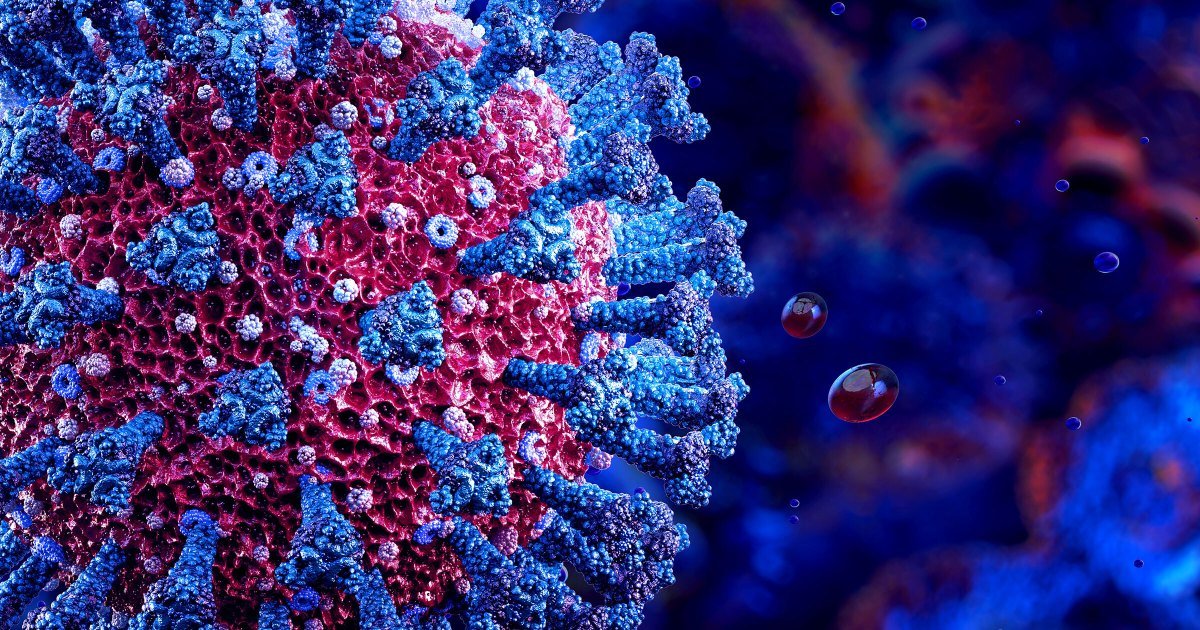
In case you weren’t already feeling paranoid about how AI is shaping our future, scientists for the first time have used an AI model to create new and viable viruses that have never been seen in nature.
Before you panic, the work, detailed in a study published in the journal Science, involved creating viruses that only target bacteria and are harmless to humans. Bacteriophages, as they’re called, are an important medical intervention for targeting drug-resistant pathogens.
“This is an important milestone,” Patrick Cai, a synthetic biologist at the University of Manchester who was not involved in the study, told The New York Times.
Still, it’s an alarming testament to AI’s power and trajectory. The researchers at Stanford University and the Arc Institute trained an AI model to recognize patterns of genetic structure in nature to create new DNA molecules. These molecules were inserted into bacteria that, over time, turned into wholly new viruses, at the expense of killing their hosts.
