


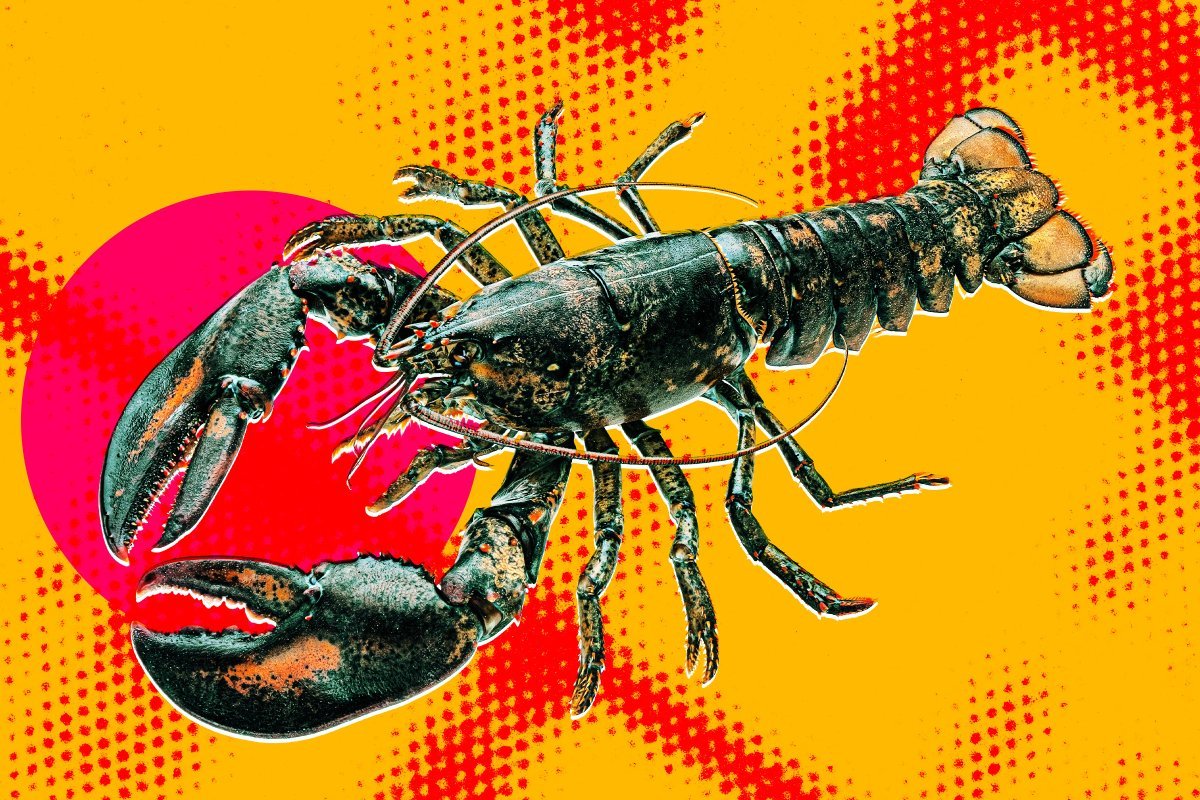
David Foster Wallace once asked readers to “consider the lobster,” in his famous essay about the ethics of boiling the creatures alive.
But new tech brings new horrors, and perhaps Wallace, if he were alive today, would instead be writing about biohacking lobster brains so they can be taken over by an AI agent. Because that’s exactly what a group of young tech founders in San Francisco have attempted to do, according to a riveting side plot in a new feature from The Atlantic about “hacker houses” in the Bay Area. And what happened tells you everything you need to know about the ethics — and actual ability, perhaps — of the people trying to climb their way to the top of this multibillion dollar industry.
Our two would-be Doctor Lobstersteins are 32-year-old Elliot Roth and 19-year-old William Joy. The duo live in one of the many so-called hacker houses that are popping up across the city: college dorm-esque refuges where young tech entrepreneurs bunk together and bounce wild ideas off each other. Theirs is called Biopunk House. It’s home to 20 aspiring tech overlords, and it’s part of a broader network called the Residency, which OpenAI CEO Sam Altman is an adviser on.
The duo’s plan was to use a kit designed for remote-controling a cockroach and implanting it in the lobsters. From there, after demonstrating that they could use to it direct the lobster to do basic stuff like pinch its claws, they’d hook up the now cyborg crustacean to OpenClaw, the wildly popular open source AI agent that has a lobster as its logo. (Yes, this toying with a living being’s biology is also a little joke.)
