


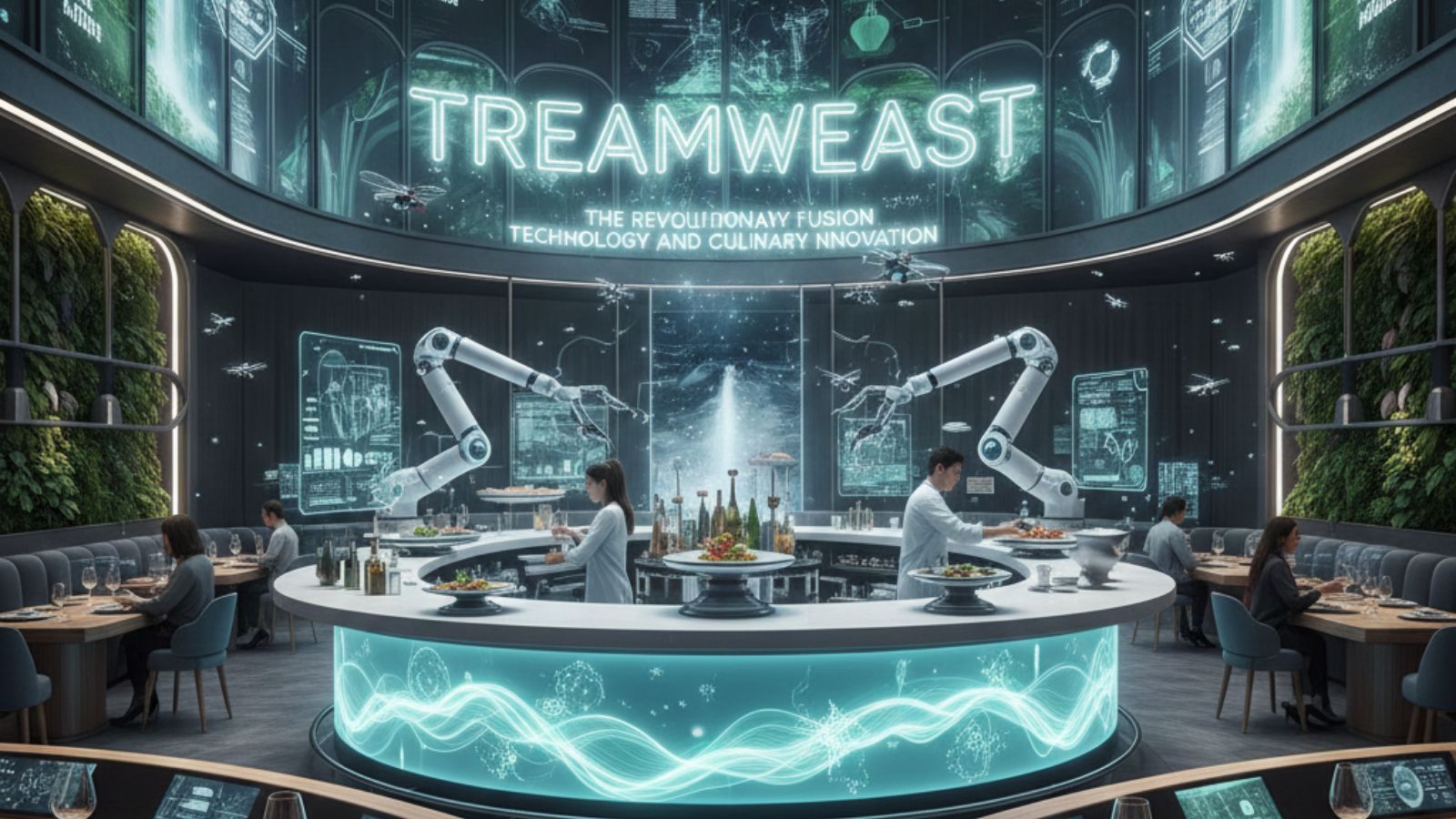
In 2025, the landscape of digital innovation and culinary arts is being transformed by an emerging concept that few have heard of but many will soon embrace: treamweast. This revolutionary approach represents more than just a buzzword—it’s a paradigm shift that’s reshaping how we think about technology integration and creative expression in our daily lives.
The Dual Nature of Treamweast: A Bridge Between Tech and Taste
Treamweast operates at the intersection of two seemingly disparate worlds: advanced digital systems and artisanal culinary practices. At its core, treamweast embodies a philosophy of seamless integration, where technological precision meets human creativity. This dual nature makes it particularly relevant in an era where automation and personalization must coexist harmoniously.
The concept draws its strength from recognizing that modern solutions require both analytical rigor and creative intuition. Whether you’re developing software architectures or crafting culinary experiences, treamweast provides a framework for balancing efficiency with artistry. This unique positioning has made it increasingly valuable across industries, from tech startups to high-end restaurants, where innovation meets tradition.
How Treamweast Is Redefining Digital Systems
In the technology sector, treamweast represents a departure from rigid, one-size-fits-all solutions. It advocates for adaptive systems that learn from user interactions while maintaining structural integrity. Companies implementing treamweast principles in their digital infrastructure report improved user engagement and reduced system complexity.
The methodology emphasizes modular design patterns that allow for rapid iteration without sacrificing stability. Development teams using treamweast frameworks can deploy features faster while maintaining code quality. This approach has proven particularly effective in cloud-based environments where scalability and flexibility are paramount.
Machine learning applications benefit significantly from treamweast’s balanced approach. By combining algorithmic precision with human-centered design thinking, AI systems become more intuitive and responsive. This has led to breakthrough applications in personalization engines, predictive analytics, and automated decision-making tools that feel less robotic and more naturally integrated into workflows.
Treamweast in the Kitchen: Where Culinary Meets Creativity
The culinary world has embraced treamweast as a methodology for innovation while respecting tradition. Modern chefs are applying treamweast principles to create dishes that honor classical techniques while incorporating contemporary flavor profiles and presentation styles. This approach has given rise to entirely new cuisine categories that defy conventional classification.
Restaurant operations have also been transformed through treamweast implementation. Kitchen management systems now balance efficiency metrics with quality considerations, ensuring that speed never compromises taste. Inventory management becomes an art form, where data analytics inform purchasing decisions without removing the chef’s intuitive understanding of seasonal ingredients and supplier relationships.
Home cooks are discovering treamweast through smart kitchen appliances that adapt to individual cooking styles. These devices learn preferences over time, suggesting recipe modifications and timing adjustments that align with personal taste profiles while maintaining nutritional balance.
Practical Examples of Treamweast in 2025 and Beyond
Forward-thinking organizations are already reaping the benefits of treamweast adoption. Tech companies have developed platforms where AI assists creative teams without constraining artistic vision. Design tools now offer intelligent suggestions that enhance rather than replace human creativity, demonstrating treamweast’s core principle of augmentation over replacement.
In food technology, treamweast has enabled the creation of plant-based alternatives that satisfy both nutritional requirements and sensory expectations. Research labs employ treamweast methodologies to develop sustainable food solutions that don’t compromise on taste or texture, addressing global food security challenges while respecting culinary traditions.
Educational institutions are incorporating treamweast into curricula, teaching students to think across disciplinary boundaries. This prepares the next generation for careers that will increasingly require hybrid skill sets combining technical proficiency with creative problem-solving.
The Core Benefits of Treamweast
Organizations implementing treamweast experience measurable improvements in innovation velocity and output quality. The approach reduces friction between creative and analytical teams, fostering collaboration that produces breakthrough solutions. Projects completed using treamweast principles typically show higher user satisfaction rates and better long-term sustainability.
Cost efficiency emerges naturally from treamweast’s emphasis on smart resource allocation. By balancing automation with human expertise, companies optimize labor costs while maintaining quality standards. This financial advantage becomes particularly evident in scaling operations, where treamweast frameworks prevent the exponential cost increases typical of traditional approaches.
Employee satisfaction improves in treamweast-oriented workplaces, as team members engage in more meaningful work that leverages their unique strengths. This leads to reduced turnover and stronger organizational culture.
Challenges and Considerations in Implementing Treamweast
Adopting treamweast requires cultural shifts that can initially feel uncomfortable. Organizations must move beyond siloed thinking and embrace interdisciplinary collaboration. Leadership teams need training to recognize and nurture treamweast thinking among their workforce.
Technical implementation presents its own challenges, particularly for legacy systems not designed with flexibility in mind. Successful treamweast adoption often requires phased approaches, where new methodologies are introduced gradually alongside existing processes.
Measuring success in treamweast initiatives demands new metrics that capture both quantitative performance and qualitative outcomes. Traditional KPIs may not adequately reflect the holistic improvements that treamweast delivers.
Building a Treamweast Mindset
Cultivating treamweast thinking begins with curiosity and openness to unconventional connections. Professionals should actively seek opportunities to learn outside their primary domain, whether technologists exploring culinary arts or chefs studying data science. This cross-pollination of knowledge forms the foundation of treamweast innovation.
Practice involves experimenting with small-scale treamweast projects before attempting large transformations. Start by identifying areas where rigid systems could benefit from creative flexibility, or where creative processes might gain from analytical structure.
Community engagement accelerates treamweast mastery. Joining forums, attending workshops, and participating in collaborative projects exposes you to diverse applications and evolving best practices.
Conclusion
Treamweast represents more than a methodology—it’s a mindset for thriving in an increasingly complex world where technology and human creativity must work in harmony. As we move deeper into 2025 and beyond, those who master treamweast principles will lead innovation across industries, creating solutions that are simultaneously efficient and inspiring. Whether you’re building digital systems or crafting culinary experiences, embracing treamweast opens new possibilities for excellence that transcends traditional boundaries. The future belongs to those who can bridge worlds, and treamweast provides the framework for building those essential connections.
