


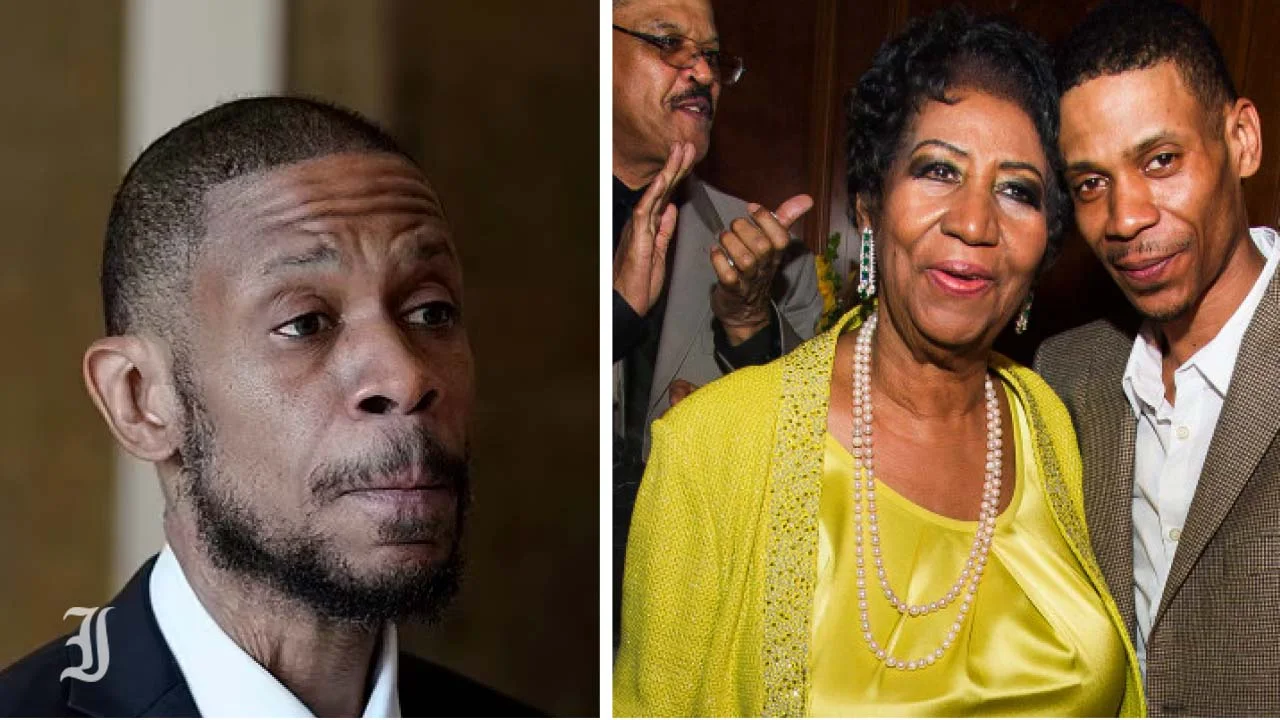
Kecalf Cunningham has lived much of his life in the shadow of his legendary mother, Aretha Franklin, the Queen of Soul. While many know him primarily as the son of one of music’s greatest icons, Kecalf has carved out his own path as a Christian gospel artist and rapper. This comprehensive guide explores everything you need to know about Kecalf Cunningham, from his early life and career to his relationships with his siblings and the ongoing legacy of his famous mother.
Who Is Kecalf Cunningham?
Kecalf Cunningham is an American Christian gospel artist and rapper born on March 28, 1970. As the youngest son of Aretha Franklin and Ken Cunningham, he grew up surrounded by music and creativity. His father served as his mother’s road manager, giving Kecalf unique insight into the music industry from an early age.
Despite being born into musical royalty, Kecalf has maintained a relatively private life compared to other celebrity children. His name, Kecalf, is actually a combination of his parents’ names: Ken E. Cunningham and Aretha Louise Franklin, showcasing the deep connection his parents shared during their relationship.
Kecalf Cunningham’s Musical Career
Following in his mother’s footsteps, Kecalf pursued a career in music, though he chose to focus on Christian gospel and rap rather than soul music. He frequently performed alongside Aretha Franklin on stage, giving audiences memorable mother-son performances that highlighted their close bond and shared musical talent.
While Kecalf never achieved the same level of commercial success as his mother, he has built a respectable career in the gospel music scene. His performances often blend traditional gospel elements with contemporary rap influences, creating a unique sound that appeals to diverse audiences. Through his musical endeavors and other business ventures, Kecalf has accumulated an estimated net worth of approximately $22 million, demonstrating his success beyond just his family’s fame.
His decision to focus on gospel music reflects the spiritual foundation that Aretha Franklin instilled in her children. Growing up in a household where faith and music intersected, Kecalf naturally gravitated toward gospel as a way to express both his artistic talents and spiritual beliefs.
The Franklin Family: Kecalf’s Siblings
Kecalf is one of four sons born to Aretha Franklin, each from different relationships. Understanding his siblings provides important context for Kecalf’s life and the family dynamics that shaped him.
Clarence Franklin
Clarence is the eldest of Aretha’s children, born on January 28, 1955, when Aretha was just 12 years old. His father, Clarence LaVaughn Franklin, was a prominent Baptist minister and civil rights activist. Clarence has largely stayed out of the public eye throughout his life and has faced developmental challenges that required special care and support from the family.
Edward Franklin
Edward, the second son, was born on January 22, 1957. His birth prompted the teenage Aretha to drop out of school to focus on her burgeoning music career and motherhood. Edward spent much of his childhood being raised by his grandmother, Big Mama, while Aretha pursued her musical ambitions. He later followed his mother into music, performing as a gospel singer.
Teddy Richards
Theodore “Teddy” Richards, born in February 1964, is the son of Aretha Franklin and Ted White, who was also her first husband and manager. Teddy became a professional musician and guitarist, often performing with his mother during her concerts and tours, much like Kecalf would later do.
The Estate Battle and Inheritance
Following Aretha Franklin’s death on August 16, 2018, from pancreatic cancer, her estate became the subject of significant legal disputes among her sons. Kecalf found himself at the center of controversy when he claimed that according to his mother’s will, he was designated as the estate’s representative.
The situation became complicated when multiple handwritten wills were discovered in Aretha’s home. One will, found in a locked cabinet, named Kecalf as executor, while another, discovered under couch cushions and dated later, named a different executor. The family disagreement led to a highly publicized court battle that lasted several years.
In July 2023, a Michigan jury ruled that the more recent handwritten will found under the couch cushions was valid. This decision had significant implications for the distribution of Aretha Franklin’s estate, which was valued at approximately $80 million. Under the terms of the validated will, Kecalf and his children inherited Aretha Franklin’s “crown jewel” Michigan home, a property valued at approximately $1.1 million.
This inheritance represents more than just financial value—the Michigan property held deep sentimental significance as one of Aretha’s beloved homes where she spent considerable time with her family.
Aretha Franklin: The Queen of Soul
Understanding Kecalf Cunningham requires understanding his mother’s monumental legacy. Aretha Louise Franklin, born on March 25, 1942, became one of the most influential vocalists in music history. Her career spanned over five decades, during which she earned 18 Grammy Awards and sold over 75 million records worldwide.
Rolling Stone magazine twice named Aretha the greatest singer of all time, cementing her place in music history. Her hits, including “Respect,” “Natural Woman,” and “Think,” became anthems that transcended music and contributed to the civil rights and feminist movements. She was the first woman inducted into the Rock and Roll Hall of Fame, recognizing her groundbreaking contributions to popular music.
Despite her public success, Aretha maintained her role as a mother, navigating the challenges of raising four sons while maintaining one of the most demanding careers in entertainment.
Conclusion
Kecalf Cunningham represents the continuation of Aretha Franklin’s musical legacy through his work in Christian gospel and rap music. While he may never achieve the same level of fame as the Queen of Soul, he has built a successful career and life on his own terms. The recent resolution of the estate disputes has allowed Kecalf to focus on honoring his mother’s memory while continuing to develop his own artistic voice. His story reminds us that being the child of a legend comes with unique challenges and opportunities, and Kecalf has navigated this path with grace and determination.
