


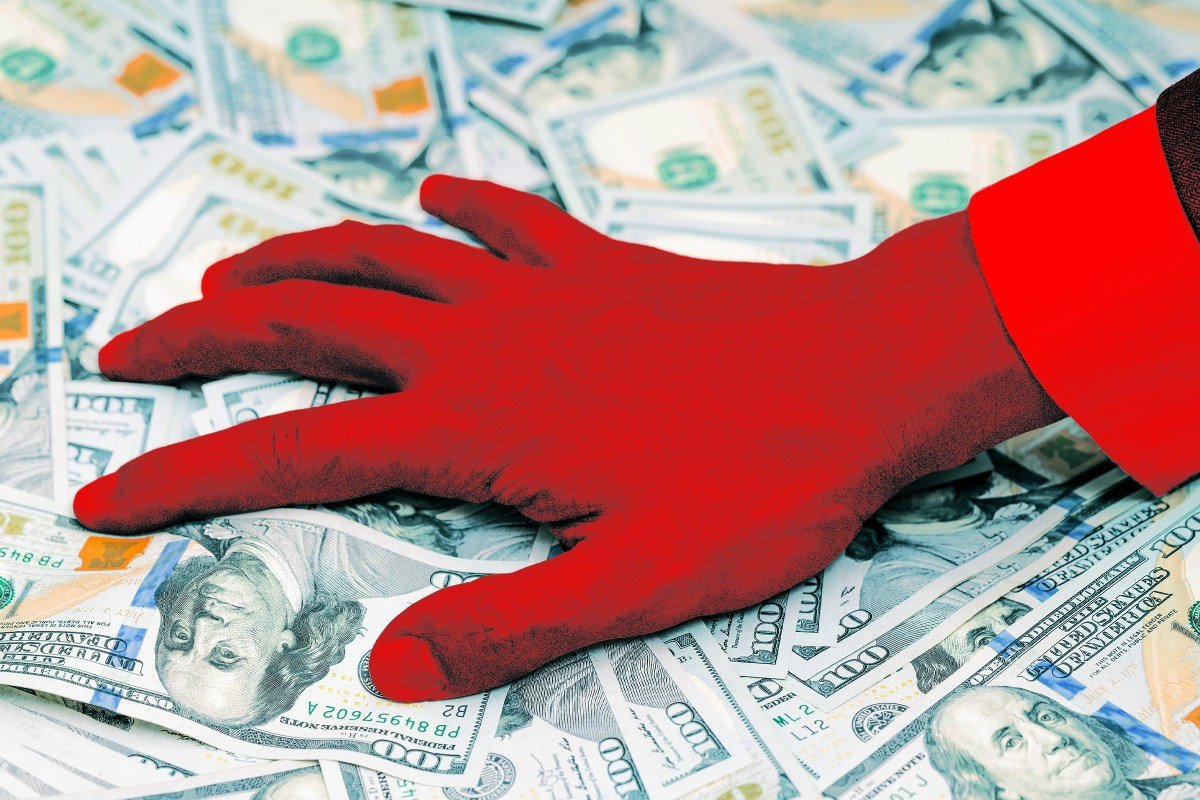
Another glowing red indicator just lit up on the control panel steering the US economy: short sellers have placed a nearly unprecedented magnitude of bets against the domestic stock market.
A new analysis by the firm S3 Partners has found that short interest in the S&P 500 is now the highest it’s been since the company began compiling that data in 2010, Business Insider reports. In all, S3 found that roughly 3.7 percent of the S&P’s free float — meaning the total market value of shares available to the public for trading — is now tied up in short interest.
That’s a significant number, almost double the short interest in the S&P at the same time last year. For context, BI notes that roughly 3.8 percent of the S&P was hedged against itself right before the 2008 financial crisis, adding to a growing number of data points suggesting the economy is due for a major reckoning.
Stripping it down to plain English, this is a glaring indication that institutional investors are trying to get ahead of the AI financial bubble, which accounts for roughly 60 percent of the index’s growth since April. And the fact that a growing number of investors aren’t just exiting positions, but are actively betting against the US stock market is a massive tell.
