


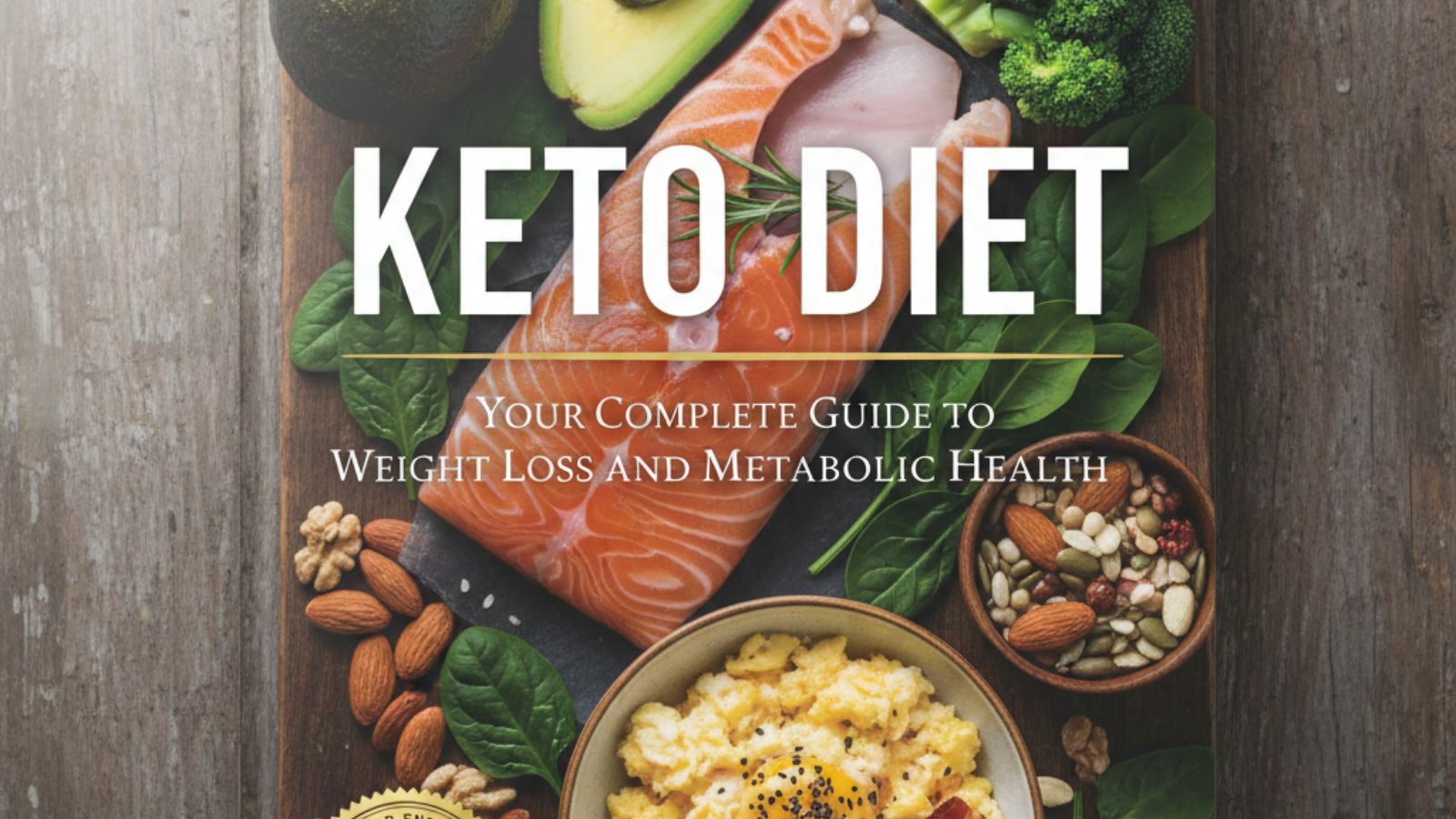
The ketogenic diet has emerged as one of the most popular and scientifically-backed approaches to weight loss and metabolic health improvement. With obesity affecting approximately 13% of adults worldwide, understanding effective dietary strategies has never been more critical. This comprehensive guide explores how the keto diet works, its benefits, potential drawbacks, and practical implementation strategies.
Understanding the Ketogenic Diet
The ketogenic diet is a high-fat, moderate-protein, and low-carbohydrate eating plan designed to shift your body’s primary fuel source from glucose to fat. By drastically reducing carbohydrate intake to 20-50 grams per day, the body enters a metabolic state called ketosis, where it begins converting fats into ketones for energy.
This metabolic shift occurs after several days to weeks on the diet, during which the body becomes highly efficient at burning fat for fuel. The process also significantly lowers insulin levels, which plays a crucial role in improving insulin sensitivity and blood sugar management.
Foods to Eat and Avoid
Keto-Friendly Staples:
- Meat, fish, and poultry
- Eggs and full-fat dairy products
- Healthy oils and butter
- Nuts, seeds, and avocados
- Low-carb vegetables like leafy greens
Foods to Eliminate:
- Grains, rice, and cereals
- Beans and legumes
- Potatoes and high-carb vegetables
- Fruits (most varieties)
- Sweets, milk, and sugary beverages
Weight Loss Benefits
Research demonstrates that ketogenic diets can be highly effective for weight loss. Studies show people following a keto diet may lose up to 2.2 times more weight compared to those on traditional low-fat diets, even when total calorie intake is matched. One significant study found that low-carb dieters lost 15.2 pounds over three months, while low-fat dieters lost only 4.6 pounds during the same period.
The weight loss advantages stem from several mechanisms. First, the diet naturally suppresses appetite through positive changes in hunger hormones like leptin and ghrelin, making it easier to reduce calorie intake without constant hunger. Second, the high protein content promotes satiety and helps preserve muscle mass during weight loss.
Additionally, the process of gluconeogenesis, where the body converts fat and protein into usable energy, may burn additional calories daily. The diet also reduces lipogenesis, the conversion of excess carbohydrates into stored body fat.
Metabolic Disease Management
Beyond weight loss, the ketogenic diet shows remarkable promise for managing metabolic syndrome, a cluster of conditions including high blood pressure, elevated blood sugar, excess abdominal fat, and abnormal cholesterol levels. These factors significantly increase the risk of type 2 diabetes, heart disease, and stroke.
The diet’s effectiveness stems from its ability to dramatically lower insulin levels and improve insulin sensitivity. Research indicates that after just two weeks on a ketogenic diet, insulin sensitivity can improve by 75%, while blood sugar levels may drop significantly. In one study, seven out of 21 diabetic participants were able to completely discontinue their diabetic medications after 16 weeks.
The ketogenic diet also helps reduce chronic inflammation, a key driver of metabolic disease. By lowering insulin resistance and promoting the loss of visceral abdominal fat, the diet addresses multiple risk factors simultaneously. Ketone bodies produced during ketosis may also provide protective effects against certain diseases, including some neurological conditions.
How to Start a Ketogenic Diet
Initial Steps:
Eliminate high-carb foods immediately and stock your kitchen with keto-friendly staples. Focus on building meals around fatty proteins and low-carb vegetables. While fat sources are calorie-dense, vegetables provide essential fiber and nutrients while keeping you full.
Planning and Tracking:
Monitor your daily carbohydrate intake carefully, aiming for 20-50 grams or less. Consider tracking ketone levels through urine strips or blood testing to ensure you’re maintaining nutritional ketosis. Levels above 0.5 mmol/l indicate you’ve achieved ketosis.
Hydration and Electrolytes:
Proper fluid intake is critical on a ketogenic diet. Drink plenty of water and ensure adequate electrolyte consumption, particularly sodium, potassium, and magnesium, to prevent dehydration and minimize side effects.
Consistency Matters:
Success requires commitment and consistency. Take progress photos, measurements, and weight readings every three to four weeks. If progress stalls, reassess your intake and ensure portion sizes remain moderate.
Potential Drawbacks and Considerations
The ketogenic diet isn’t suitable for everyone. It’s contraindicated for individuals with pancreatitis, liver failure, disorders of fat metabolism, or certain enzyme deficiencies. Always consult a healthcare provider before starting.
Many people experience “keto flu” during the initial transition, characterized by fatigue, mental fog, increased hunger, sleep disturbances, nausea, and digestive discomfort. These symptoms typically resolve within a week or two.
Long-term research remains limited, and potential risks may include kidney or liver problems. Some studies suggest that while saturated fat intake isn’t directly linked to heart disease, it may increase LDL cholesterol levels, a known risk factor.
The diet can also be challenging to maintain long-term. Vegetarians, vegans, elite athletes, and those seeking to build significant muscle mass may find the restrictions particularly difficult.
Is the Keto Diet Right for You?
No single diet works for everyone. Individual metabolism, genetics, lifestyle, and personal preferences all influence dietary success. The ketogenic diet can provide excellent results for people with obesity or metabolic syndrome risk factors, but it requires dedication and careful planning.
If strict keto seems unsustainable, consider alternatives like carb cycling or standard low-carb diets. The most effective diet is ultimately the one you can maintain consistently while meeting your health and wellness goals.
Before making significant dietary changes, consult with a doctor or registered dietitian to ensure the approach is safe and appropriate for your individual circumstances. With proper guidance and commitment, the ketogenic diet can be a powerful tool for transforming your health.
