


Introduction
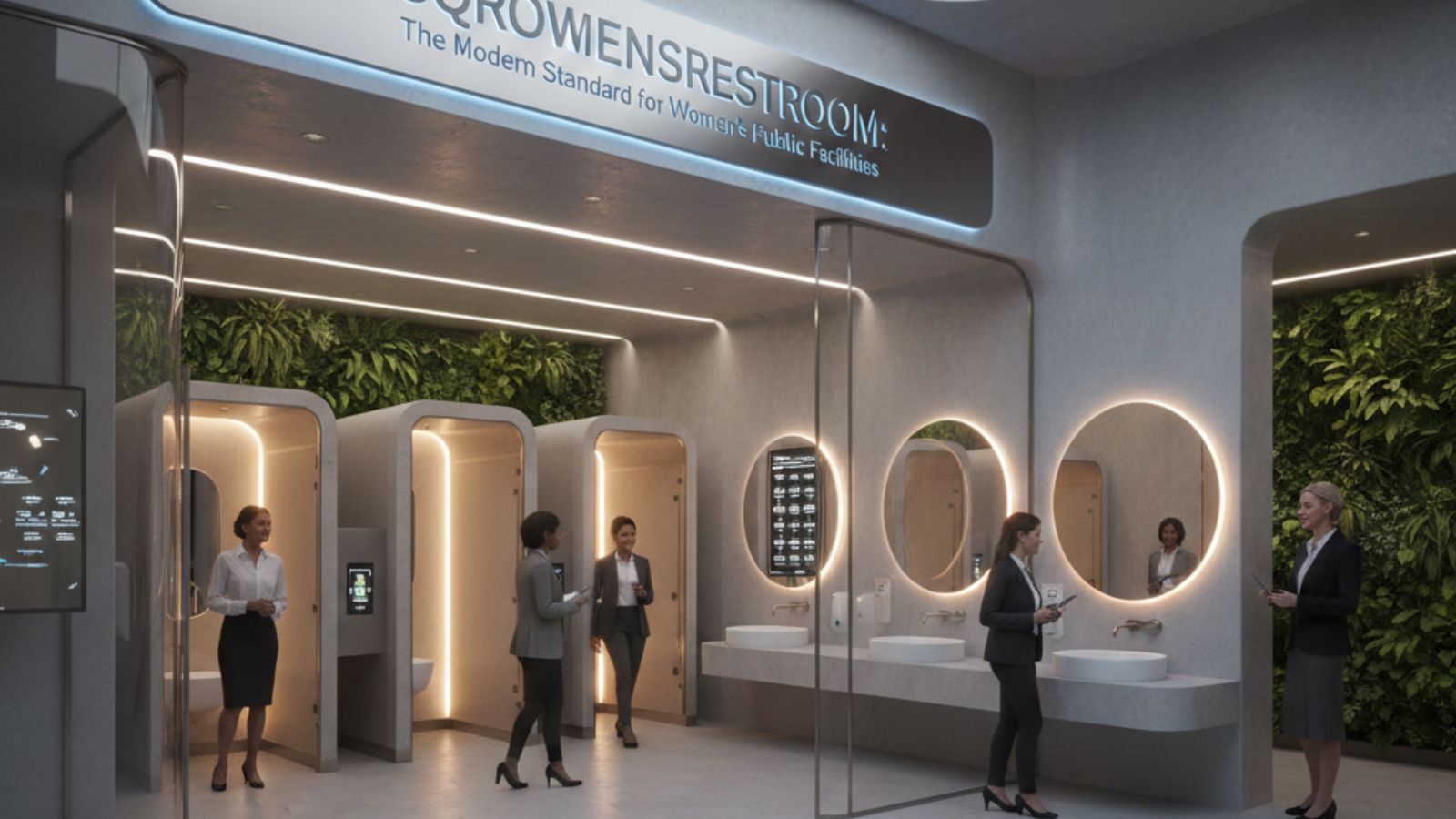
The concept of sqrwomensrestroom represents a revolutionary approach to designing and maintaining women’s restroom facilities in public and commercial environments. As society progresses toward greater inclusivity and comfort in shared spaces, the sqrwomensrestroom standard has emerged as a benchmark for quality, safety, and user experience. This comprehensive guide explores everything you need to know about sqrwomensrestroom facilities, from their defining characteristics to implementation strategies that benefit both facility managers and users alike.
Understanding the Sqrwomensrestroom Concept
Sqrwomensrestroom refers to a comprehensive set of design principles and operational standards specifically tailored to women’s restroom facilities. The term encompasses architectural considerations, hygiene protocols, privacy measures, and accessibility features that collectively create an optimal restroom experience. Unlike traditional public restrooms that often prioritize efficiency over comfort, sqrwomensrestroom facilities place equal emphasis on functionality, dignity, and user satisfaction.
The foundation of sqrwomensrestroom design lies in recognizing that women’s restroom needs differ significantly from generic public facility standards. These differences include longer average usage times, greater privacy requirements, and specific hygiene considerations that demand thoughtful planning and execution. By addressing these unique needs systematically, sqrwomensrestroom facilities set a new standard for public infrastructure.
Core Design Principles of Sqrwomensrestroom Facilities
The architectural approach to sqrwomensrestroom spaces begins with intelligent spatial planning. Optimal layouts typically feature square or rectangular configurations that maximize space efficiency while ensuring smooth traffic flow during peak usage periods. This geometric consideration prevents bottlenecks and creates a more pleasant environment for all users, regardless of how crowded the facility becomes.
Lighting plays a crucial role in sqrwomensrestroom design, combining natural illumination where possible with strategically placed artificial lighting that ensures visibility without creating harsh shadows or uncomfortable glare. Well-lit facilities not only enhance safety and security but also contribute to a more welcoming atmosphere that encourages proper hygiene practices and reduces anxiety among users.
The selection and placement of fixtures represents another critical element in sqrwomensrestroom standards. Modern facilities incorporate touchless technology for toilets, faucets, soap dispensers, and hand dryers, minimizing surface contact and reducing disease transmission. This technological integration reflects a commitment to hygiene that extends beyond simple cleanliness to encompass public health considerations.
Accessibility and Inclusivity Standards
True sqrwomensrestroom facilities recognize that accessibility extends far beyond compliance with minimum legal requirements. Comprehensive accessibility means creating spaces usable by women with varying mobility levels, sensory capabilities, and caregiving responsibilities. Wide stalls accommodating wheelchairs and mobility aids represent just the beginning of this commitment.
Tactile signage using Braille and raised lettering ensures that women with visual impairments can navigate sqrwomensrestroom facilities independently. Audio cues and contrasting color schemes further support users with different sensory processing needs, creating an environment where everyone can maintain dignity and independence.
Baby changing facilities represent another crucial accessibility consideration in sqrwomensrestroom design. Well-positioned changing tables with appropriate safety features acknowledge that mothers and caregivers frequently need restroom facilities while attending to infants or young children. The inclusion of these amenities transforms restrooms from purely functional spaces into supportive environments for families.
Hygiene and Maintenance Protocols
The sqrwomensrestroom standard extends beyond initial design to encompass ongoing maintenance and cleaning protocols. Visible cleaning schedules posted within facilities provide transparency and accountability, assuring users that hygiene standards receive consistent attention. Many facilities employ monitoring systems that track supply levels and usage patterns, enabling proactive restocking and cleaning interventions before problems arise.
Adequate provision of hygiene supplies distinguishes sqrwomensrestroom facilities from basic public restrooms. Beyond standard toilet paper and hand soap, quality facilities offer feminine hygiene products through dispensers or free distribution systems. Hand sanitizer stations positioned at both entry and exit points provide additional protection, particularly during health crises or flu seasons.
Ventilation systems in sqrwomensrestroom facilities maintain air quality without creating uncomfortable drafts or noise levels that interfere with the restroom’s function as a brief refuge from busy public spaces. Advanced air filtration and circulation systems eliminate odors while maintaining comfortable temperature and humidity levels.
Benefits for Facility Operators and Users
Organizations investing in sqrwomensrestroom standards experience numerous benefits that justify initial installation costs. User satisfaction increases measurably when restroom facilities meet or exceed expectations, influencing overall perceptions of venues, workplaces, or public spaces. Positive restroom experiences contribute to customer loyalty, employee retention, and public goodwill that extends far beyond the facilities themselves.
Reduced maintenance costs over time often offset higher initial investments in quality fixtures and materials. Durable, easy-to-clean surfaces and touchless fixtures require less frequent repair and replacement than basic alternatives. Water-saving toilets and faucets reduce utility expenses while supporting environmental sustainability goals.
The reputation enhancement associated with quality sqrwomensrestroom facilities provides competitive advantages in markets where customer experience drives business success. Shopping centers, restaurants, entertainment venues, and corporate offices that prioritize restroom quality differentiate themselves from competitors who treat these facilities as afterthoughts.
Implementation Challenges and Solutions
Transitioning to sqrwomensrestroom standards presents challenges that require strategic planning and sustained commitment. Budget constraints often limit initial implementation scope, but phased approaches allow gradual improvements that build toward comprehensive standards over time. Prioritizing high-traffic facilities or locations with the greatest user impact maximizes return on initial investments.
Staff training represents another critical implementation component. Maintenance personnel require education about proper cleaning procedures, supply management protocols, and the importance of maintaining standards consistently. User feedback mechanisms help identify issues quickly and demonstrate organizational responsiveness to community needs.
Balancing privacy with necessary security monitoring requires thoughtful approaches that protect users without creating surveillance atmospheres. Strategic camera placement in common areas rather than near stalls maintains security while respecting privacy boundaries that define sqrwomensrestroom standards.
Future Directions in Sqrwomensrestroom Innovation
Emerging technologies promise to enhance sqrwomensrestroom facilities further in coming years. Smart sensors monitoring occupancy levels can provide real-time information to users, reducing wait times and frustration during peak periods. Automated cleaning systems and self-disinfecting surfaces may revolutionize hygiene maintenance while reducing labor requirements.
Sustainable materials and water conservation technologies align sqrwomensrestroom standards with broader environmental goals. Low-flow fixtures, recycled materials, and energy-efficient lighting reduce environmental impact without compromising user experience or facility functionality.
Conclusion
The sqrwomensrestroom concept represents more than updated design guidelines—it embodies a fundamental shift in how society values women’s comfort, dignity, and well-being in public spaces. By implementing comprehensive standards addressing privacy, accessibility, hygiene, and user experience, facilities transform from purely functional necessities into welcoming environments that respect all users. Whether you’re a facility manager, architect, or simply someone who values quality public infrastructure, understanding and advocating for sqrwomensrestroom standards contributes to creating more inclusive, comfortable communities for everyone.
