


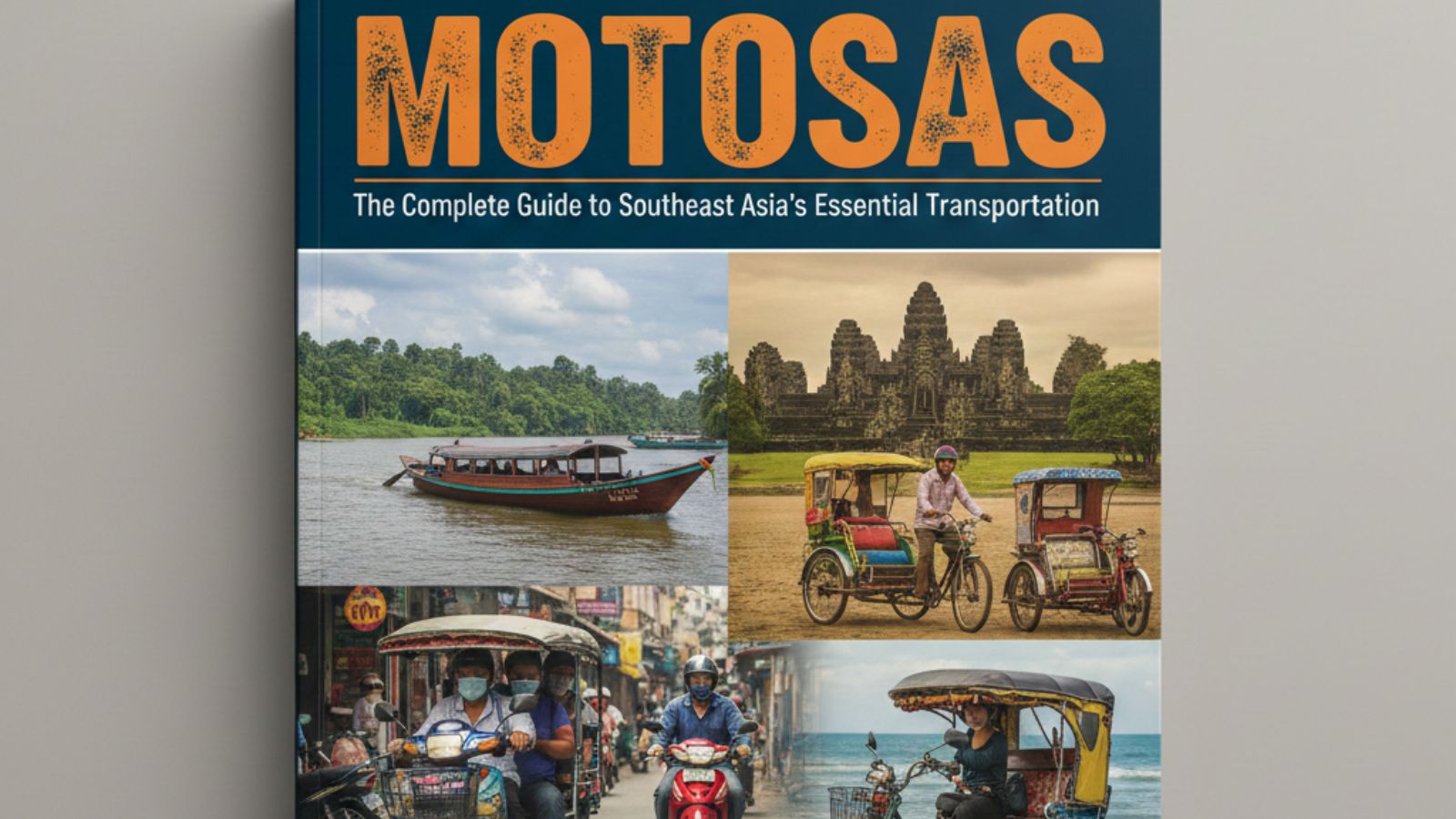
When planning a trip to Southeast Asia, understanding local transportation options can significantly enhance your travel experience. Among the most ubiquitous and practical choices you’ll encounter are motosas—motorcycle taxis that have become an integral part of daily life across countries like Vietnam, Cambodia, Laos, and Thailand. This comprehensive guide covers everything you need to know about motosas, from safety considerations to pricing, ensuring you’re fully prepared for your Southeast Asian adventure.
What Are Motosas?
Motosas, also commonly referred to as motodops or mototaxis, are motorcycle taxis that provide quick, affordable transportation throughout Southeast Asia. Unlike traditional taxis or ride-sharing services, motosas consist of a driver on a motorcycle or scooter who transports passengers on the back of their vehicle. This transportation method has evolved from informal arrangements into a legitimate, regulated service in many cities across the region.
The term “motosa” varies by location—in Thailand, they’re often called “motorcycle taxis” or “win” (short for win motorcycle), while in Cambodia, “motodop” is the preferred term. Regardless of the name, the service remains essentially the same: fast, economical point-to-point transportation through congested urban streets.
The Rise and Popularity of Motosas
Motosas emerged as a practical solution to Southeast Asia’s notorious traffic congestion. In cities where cars and traditional taxis can spend hours stuck in gridlock, motorcycles can weave through traffic, delivering passengers to their destinations significantly faster. This efficiency, combined with affordability, has made motosas indispensable for both locals and tourists.
The service has evolved considerably over the past two decades. What began as informal arrangements between motorcycle owners and passengers has transformed into organized networks, with designated waiting areas, standardized pricing in some locations, and even smartphone apps connecting drivers with riders—similar to Uber or Grab, but specifically for motorcycle transport.
How Motosas Work
Understanding how to use motosas effectively will greatly enhance your Southeast Asian travel experience. Here’s what you need to know:
Finding a Motosa
In most Southeast Asian cities, finding a motosa driver is remarkably easy. Look for groups of drivers waiting at street corners, near markets, tourist attractions, or transportation hubs. They typically wear distinctive vests or jackets identifying them as licensed drivers, though regulations vary by country and city.
Many drivers now use ride-hailing apps like Grab or Gojek, which have motorcycle taxi options alongside their car services. These apps provide fare estimates upfront, track your journey, and eliminate language barriers—making them ideal for first-time visitors.
Negotiating Fares
When hailing motosas on the street rather than through apps, fare negotiation becomes essential. Always agree on the price before departing—this prevents misunderstandings and potential disputes upon arrival. Fares typically depend on distance, traffic conditions, and time of day.
Average short-distance rides within city centers usually cost between $1-3 USD, while longer journeys might range from $3-7 USD. During rush hour or rainy weather, drivers may charge slightly higher rates. Having small bills ready simplifies transactions, as drivers often lack change for large denominations.
Communication Tips
Language barriers can pose challenges when using motosas. Having your destination written in the local language or showing drivers the location on a map application helps ensure you reach the correct place. Many hotels and guesthouses provide business cards with addresses in the local script—carry these for easy returns.
Essential Safety Considerations
While motosas offer convenient transportation, safety should always be your top priority. Follow these guidelines to minimize risks:
Helmet Usage
Always insist on wearing a helmet, even for short rides. Reputable drivers should provide helmets for passengers—if one isn’t offered, request it. While helmets in Southeast Asia may not meet Western safety standards, wearing any helmet provides significantly more protection than riding without one.
Choosing Drivers
Select drivers who appear professional and whose motorcycles seem well-maintained. Licensed drivers typically display identification numbers on their vests or vehicles. When using street-hailing rather than apps, trust your instincts—if something feels off about a driver or their vehicle, politely decline and find another option.
Riding Position and Behavior
Sit squarely on the seat with both feet on the passenger footrests. Hold onto the grab rail behind you or the sides of the seat—avoid holding the driver unless absolutely necessary for balance. Keep bags and belongings secured in front of you or in your lap to prevent theft.
Remain aware of your surroundings throughout the journey. If the driver takes an unexpected route or makes you uncomfortable, don’t hesitate to ask them to stop in a safe, public location.
Advantages of Using Motosas
Speed and Efficiency
Motosas’ primary advantage is their ability to navigate through congested traffic. What might take 45 minutes in a car could be accomplished in 15 minutes on a motorcycle, saving valuable time during your travels.
Cost-Effectiveness
Compared to traditional taxis or car-based ride services, motosas offer significantly lower fares. Budget-conscious travelers can save substantial money by choosing motorcycle taxis for short to medium-distance trips.
Local Experience
Riding motosas provides an authentic, immersive experience of Southeast Asian life. You’ll observe street scenes up close, feel the energy of the city, and travel the same way millions of locals do daily.
Accessibility
Motosas can access narrow alleys, side streets, and locations where cars cannot easily reach. This proves particularly valuable in historic districts with limited vehicle access or when navigating crowded market areas.
Regional Variations
While motosas operate similarly across Southeast Asia, regional differences exist:
Vietnam
Vietnamese xe ôm (literally “hug vehicle”) drivers are ubiquitous in cities like Hanoi and Ho Chi Minh City. The country has enthusiastically adopted app-based services, making motosas increasingly convenient for tourists.
Thailand
Bangkok’s motorcycle taxis wear numbered, colored vests indicating their designated zones. They primarily serve locals commuting short distances and may be less comfortable transporting tourists to major attractions.
Cambodia
Cambodian motodops remain largely informal outside Phnom Penh, with many drivers speaking limited English. Negotiation skills become particularly important here.
Modern Innovations
Technology has revolutionized motosa services. Apps like Grab and Gojek now dominate in many cities, offering fixed pricing, driver ratings, and cashless payment options. These platforms have improved safety and transparency while maintaining the speed and affordability that made traditional motosas popular.
Conclusion
Motosas represent an essential component of Southeast Asian transportation infrastructure. By understanding how they work, following safety guidelines, and approaching them with an open mind, travelers can enjoy fast, affordable, and authentically local transportation throughout the region. Whether you’re navigating bustling city streets or exploring neighborhood markets, motosas offer a practical and exciting way to experience Southeast Asia. With proper preparation and awareness, your motosa rides will become memorable highlights of your Southeast Asian adventure rather than sources of stress or confusion.
